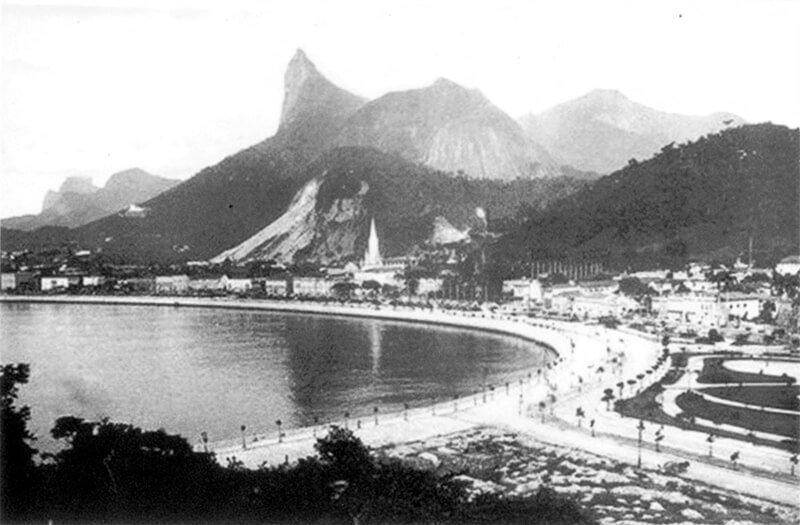

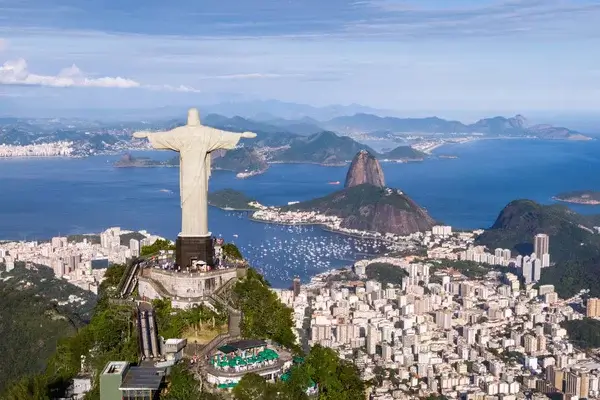
The traditional symbol of the city of Rio de Janeiro, located on Mount Corcovado, Christ the Redeemer welcomes visitors with open arms and offers a privileged view of the city.
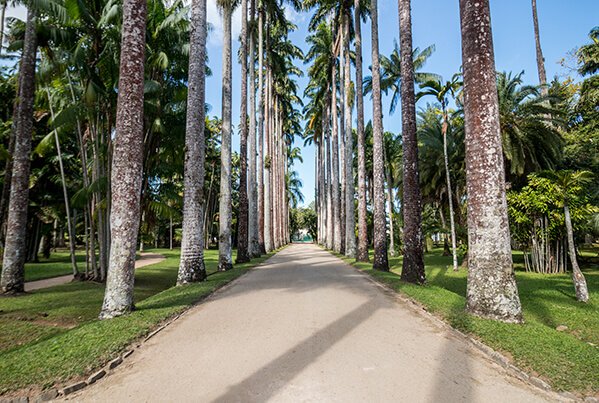
The place has a lot of history and natural beauties. The visit to the Botanical Garden will astonish those who love to be in touch with nature and love the splendid landscapes that only Rio can offer.
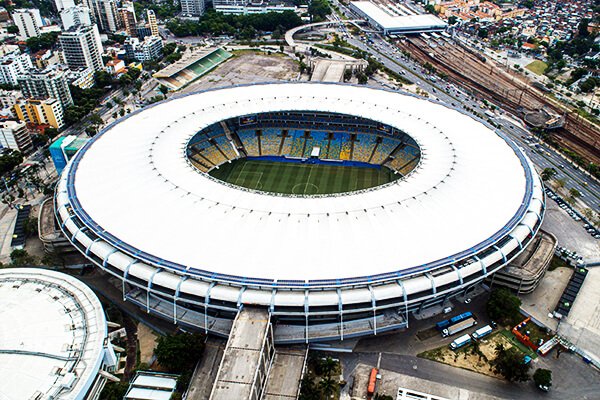
The fact is that those who love sports will be mesmerized by the grandeur of Maracanã Stadium in all aspects. But those who think that Journalist Mário Filho Stadium, aka Maracanã, is only for football lovers. The venue is also home to concerts and events. Stay tuned for programming!
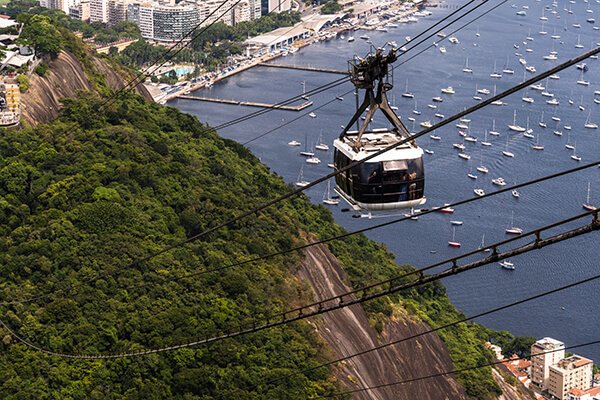
This tourist spot provides a truly privileged view of Rio de Janeiro. In addition, it is a fundamental tour for those who want to enjoy all the best that the city has to offer. Get ready to see (and photograph) Rio from an indescribable angle!
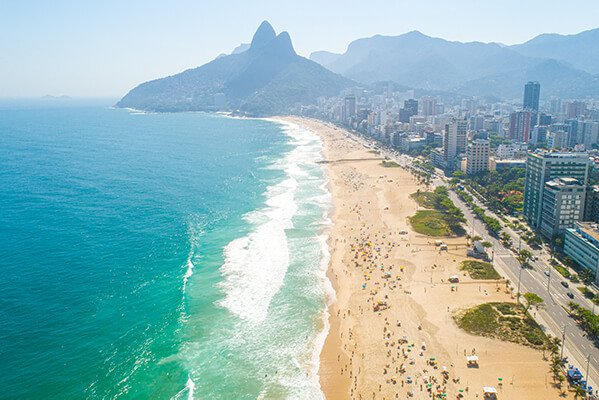
Tip: Coming to Rio and not enjoying the beach is impossible. After all, the place is full of beaches that please all tastes. We recommend Copacabana and Ipanema. Have fun!

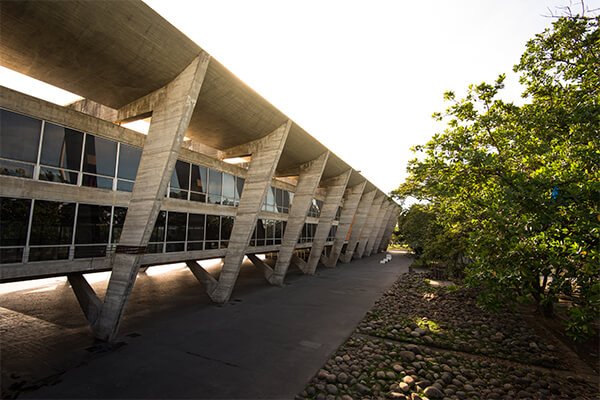
The Museum of Modern Art in Rio de Janeiro is a reference institution for the country's art and culture. Founded in 1948, it has one of the most important collections of modern and contemporary art in Latin America, with more than 16,000 works. Its performance is based on the art-education-culture tripod.
Throughout its history, MAM Rio has held exhibitions that to this day mark the expressions and languages of the arts and culture, having hosted movements that transformed the country. Its Cinematheque, with audiovisuals in all formats and a screening room, is an important center for documentation and filmic enjoyment.
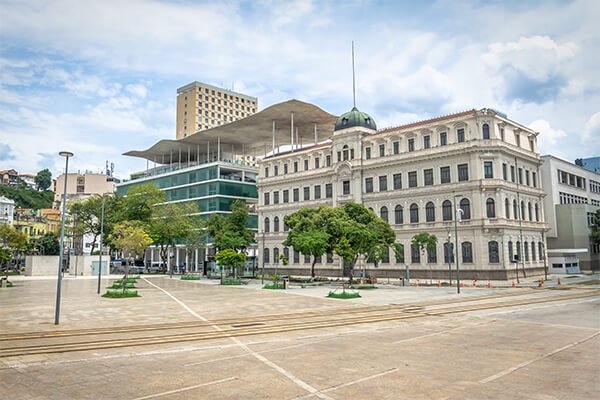
Inaugurated on 1 March 2013, the Museu de Arte do Rio promotes a transversal reading of the city’s history, its social fabric, its symbolic life, conflicts, contradictions, challenges and social expectations. Its exhibitions unite historical and contemporary dimensions of art through national and international exhibitions of long and short duration. The museum also rises with a mission to insert art in public education, through its Escola do Olhar.
With its own collection – in the process of being built through acquisitions and donations that correspond to its agenda – MAR also counts on the loaning of works from some of the best public and private collections in Brazil for the execution of its programme.
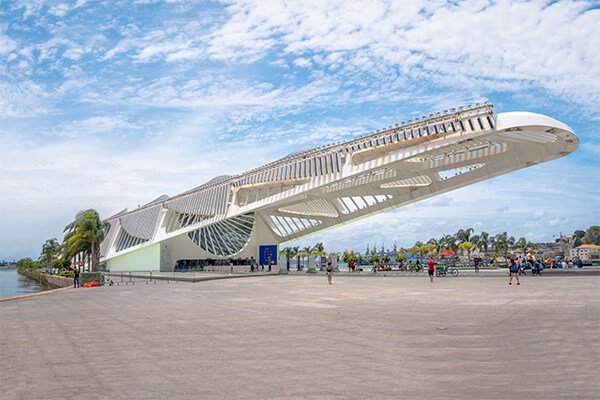
A new icon of the modernization of Rio de Janeiro’s harbor, the Museum of Tomorrow was born in the Praça Mauá as a science museum meant to explore, imagine, and conceive all the possibilities for constructing the future.
An experimental museum, where the content is presented through a narrative that combines the accuracy of science with the expressiveness of art, using technology as a support in interactive environments and audiovisual and gaming facilities created from scientific studies conducted by experts and data released all over the world.
Designed by the Spanish architect Santiago Calatrava, the building - whose organic shapes were inspired by the bromeliads of the Botanic Garden of the city - occupies an area of 15 thousand square meters, surrounded by reflecting pools, gardens, a bike lane, and a leisure area, all adding up to 34.6 thousand square meters of the Píer Mauá.

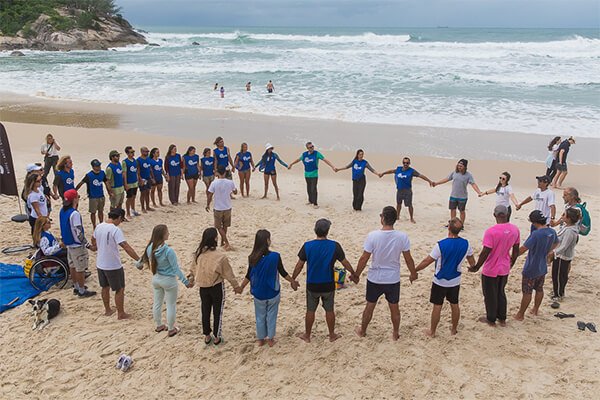
An organization that works for planetary regeneration.
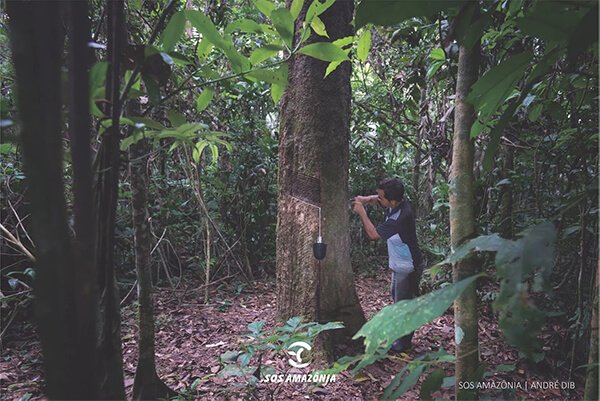
An NGO with the mission of promoting the conservation of biodiversity and the growth of environmental awareness in the Amazon Rainforest. In addition to the awareness campaigns, there was the need for the institution to develop projects, propose and implement public policies , focused on the dissemination of models and practices for the preservation of biodiversity and sustainable development, initiatives that guide, on a daily basis, the duty to fulfill the mission of SOS Amazônia.
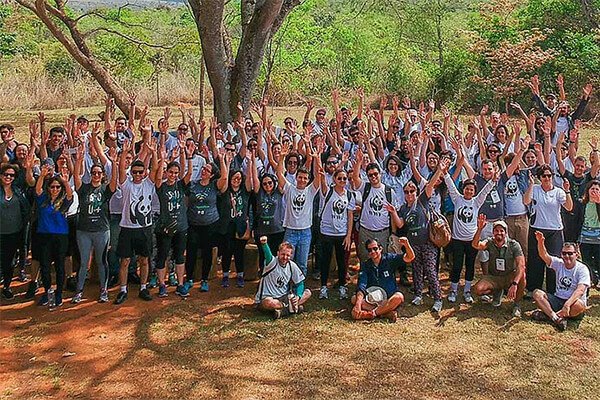
Created in 1996, WWF-Brasil is part of the WWF Network and currently has more than 170 employees working on more than 90 projects in the Amazon Rainforest, the Cerrado, the Atlantic Forest, the Pantanal and marine ecosystems on the Brazilian coast.
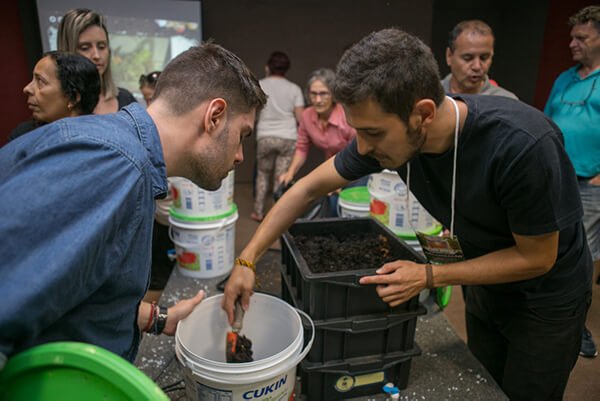
Instituto Lixo Zero Brasil (ILZB) is an autonomous, non-profit civil society organization that pioneered the dissemination of the concept of Zero Waste in Brazil.

The SOS Mata Atlântica Foundation is a Brazilian environmental NGO. It works in the promotion of public policies for the conservation of the Atlantic Forest by monitoring the biome, developing studies, demonstrative projects, communicating with public and private sectors, improving the environmental legislation, communication and engagement of society. The organization has restored forests in 550 municipalities and has replanted 40 million native trees.
In an attempt to preserve and respect the planet, its resources and inhabitants, the UN has created 17 Sustainable Development Goals, the SDGs.
The United Nations expects to achieve the SDGs in 2030 and, in this regard, KINCAID continues with actions for sustainability, contributing to an ecologically correct present and an ecologically sustainable future.